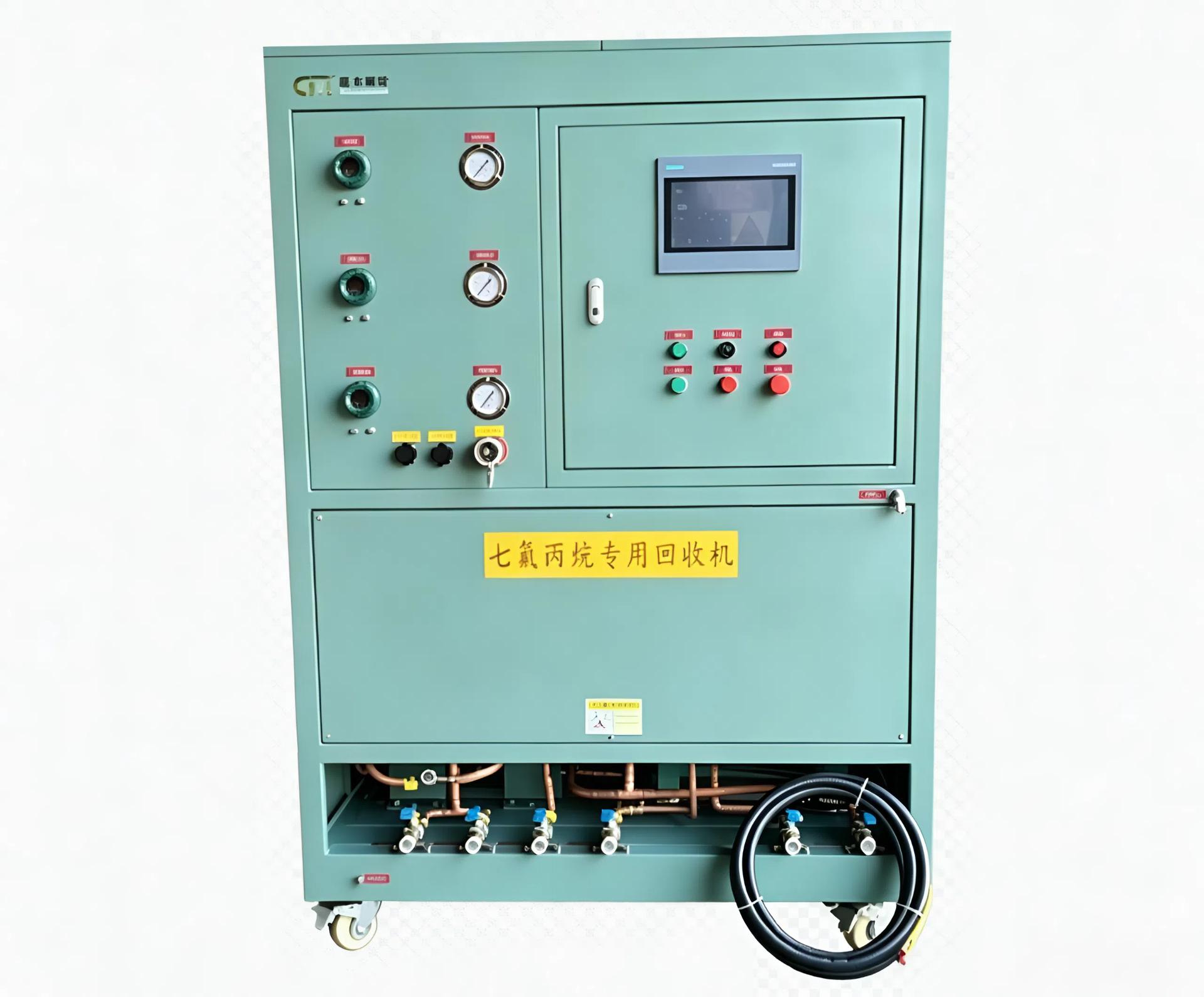
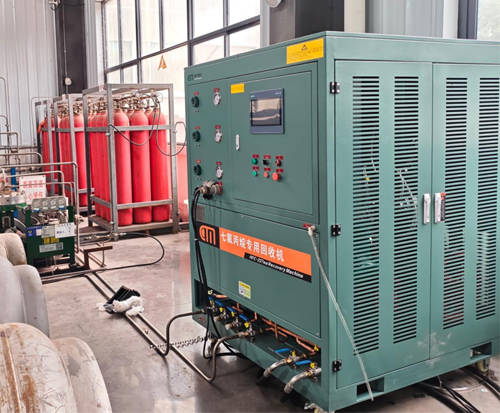
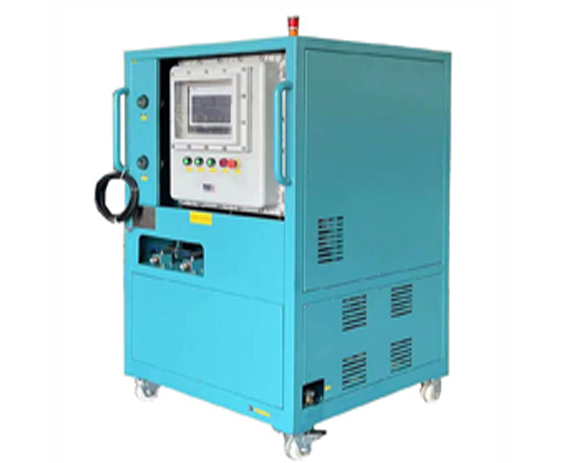
The CM09 series R227ea Refrigerant Recovery and Reclaim Machine integrates the functions of refrigerant recovery, purification, cryogenic nitrogen separation, and refrigerant transfer.
Combining high-vacuum recovery technology with deep-cooling separation, the system helps reduce refrigerant loss, remove nitrogen from recovered R227ea, and improve the efficiency of bulk recovery and transfer operations.
Key Features of the CM09 R227ea Recovery Machine
1. High Recovery Rate with 1%–2% Refrigerant Loss
Combining high-vacuum recovery and deep-cooling technology, the machine is designed to reduce HFC-227ea loss during recovery operations.
According to the supplied technical data, refrigerant loss can be controlled at approximately 1%–2%, compared with the conventional industry loss rate of 10%–15%.
2. Automatic Nitrogen Separation for Direct Reuse
The machine features an independent cryogenic detection and separation system that automatically detects and removes pressurizing nitrogen from the refrigerant cylinder.
After separation, the recovered HFC-227ea is collected as high-purity liquid refrigerant, helping eliminate the need for additional off-site purification before reuse.
3. Automatic Secondary Nitrogen Removal in the Receiving Tank
The integrated circulation system automatically detects nitrogen in the receiving tank and removes it through a secondary separation process.
This eliminates the need for manual nitrogen venting and helps prevent refrigerant loss during manual gas discharge. The automated process also reduces manual intervention and operating costs.
4. Mechanical Refrigerant Transfer Without Additional Nitrogen
Unlike conventional transfer methods that use nitrogen pressurization, the machine uses mechanical power to transfer HFC-227ea between ton containers and refrigerant cylinders.
No additional nitrogen is introduced during the transfer process, helping maintain refrigerant purity and avoid additional contamination and refrigerant loss.
5. High-Capacity Liquid Recovery – 500 kg/h or More
The recovery and reclaim machine delivers a liquid HFC-227ea processing capacity of 500 kg/h or more.
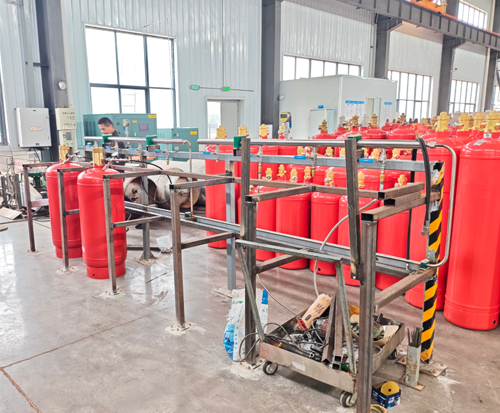
Equipped with dual-bundle cylinder handling fixtures, the system can perform rapid liquid transfer and residual gas recovery operations, improving processing efficiency for bulk cylinder handling and batch inspection applications.
Typical Applications
The HFC-227ea Refrigerant Recovery and Reclaim Machine is designed for HFC-227ea recovery and handling operations involving:
HFC-227ea recovery from refrigerant cylinders and ton containers.
Nitrogen separation and purification during refrigerant recovery.
Bulk liquid refrigerant transfer between storage containers.
Batch processing and inspection of recovered HFC-227ea.
Recovery and reuse of HFC-227ea in refrigerant recycling operations.